

When digitizing vibration measurements, technical product developers, test engineers and project managers often face a fundamental decision: Should vibration be measured directly with a digital accelerometer, or is a conventional IEPE accelerometer with a downstream digital converter the better solution?
Since vibrations are mechanical oscillations that can, among other things, be measured as accelerations that change over time, the terms accelerometer and vibration sensor are used interchangeably in this article.
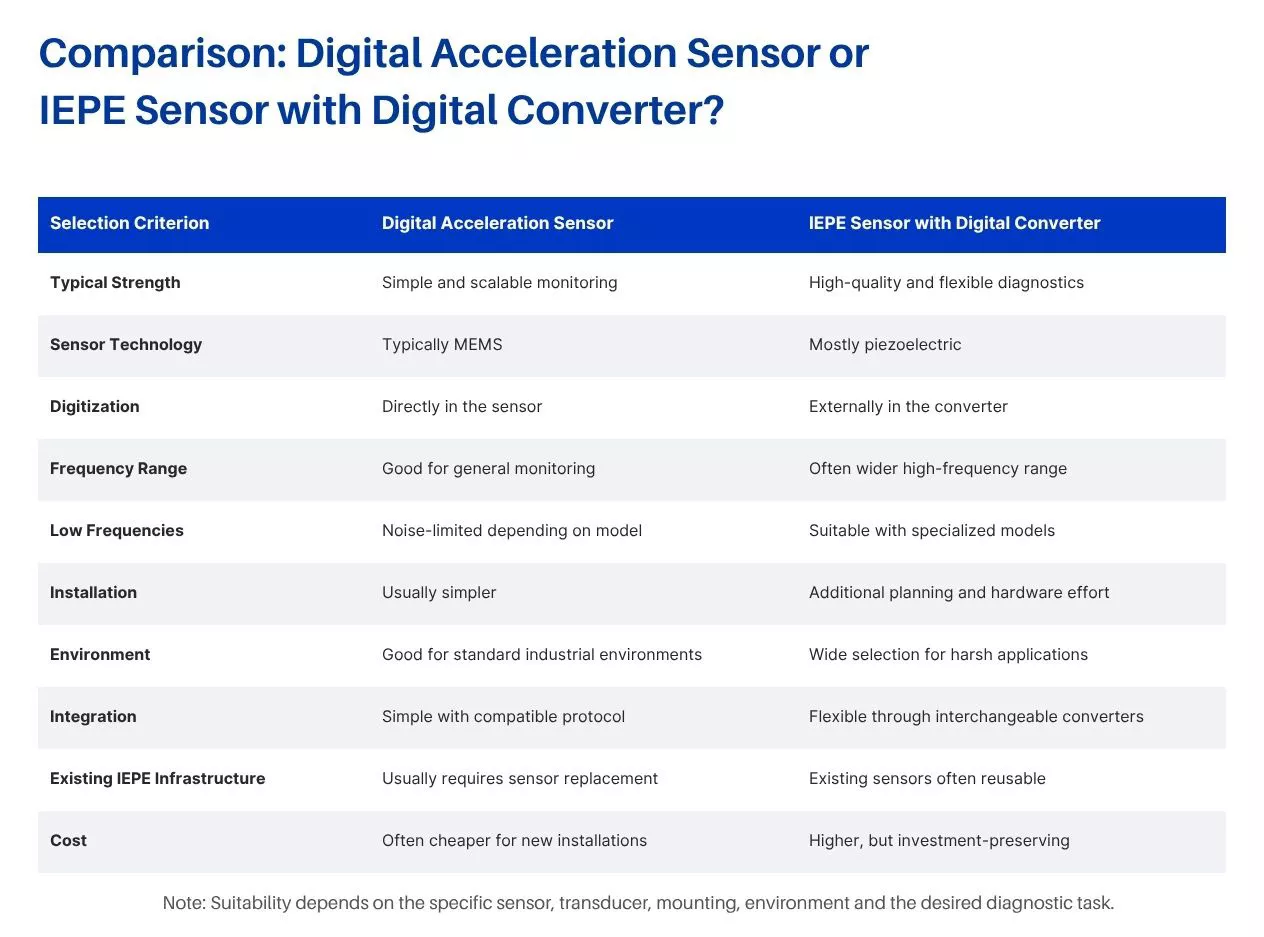
Both approaches provide digital measurement data. Nevertheless, they differ significantly in terms of measurement quality, frequency range, integration effort, environmental resistance and investment costs. The right choice therefore depends not only on the interface, but on the entire measurement task.
Digital accelerometers offer advantages when simple integration and scalable monitoring applications are required. IEPE sensors with external converters are particularly suitable when demanding diagnostic requirements, harsh operating conditions or existing measurement infrastructures need to be taken into account.
Two ways to obtain digital vibration data
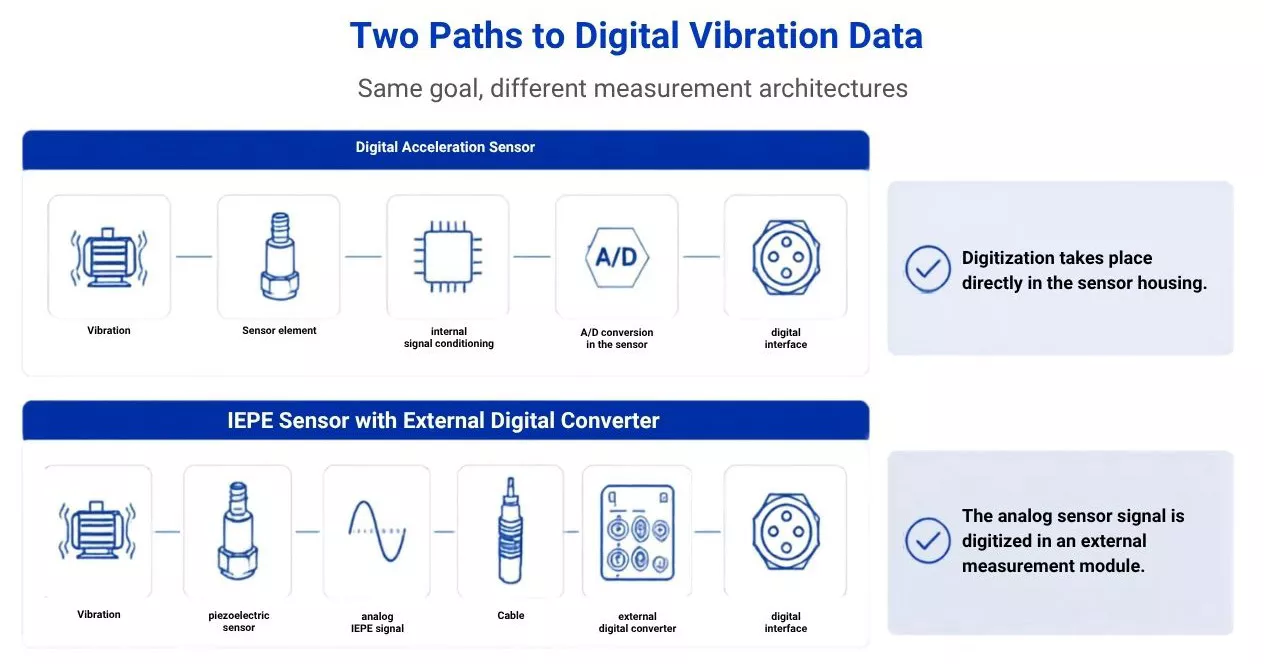
Digital accelerometers are often based on MEMS technology. The sensor detects the mechanical movement, processes the analog signal internally and provides the measured values directly via a digital interface. Typical interfaces include IO-Link, Modbus, proprietary protocols or wireless communication solutions.
Signal conversion takes place directly inside the sensor housing. This can simplify installation because no separate converter is required directly at the sensor.
IEPE accelerometers are generally based on piezoelectric technology. They generate an analog, internally amplified signal that is transmitted via a cable to an external measurement system or digital converter. Digitization therefore does not take place inside the sensor, but at a separate location, for example in a control cabinet, a decentralized measurement module or a condition monitoring system.
With this architecture, the sensor and digitization are separated from each other. The analog sensor signal is only digitized in an external measurement module or converter.
Why the entire measurement chain matters
A digital output signal initially describes only the data format. The actual measurement quality is already determined beforehand by the sensor design, mechanical coupling, noise, frequency range, signal conditioning and environmental conditions. Even high-quality digitization cannot subsequently improve a sensor signal that was not adequately captured.
Important factors include:
- Sensor design and mechanical coupling
- Noise, frequency and dynamic range
- Filtering and signal conditioning
- Environmental conditions
- Sampling rate and digitization resolution
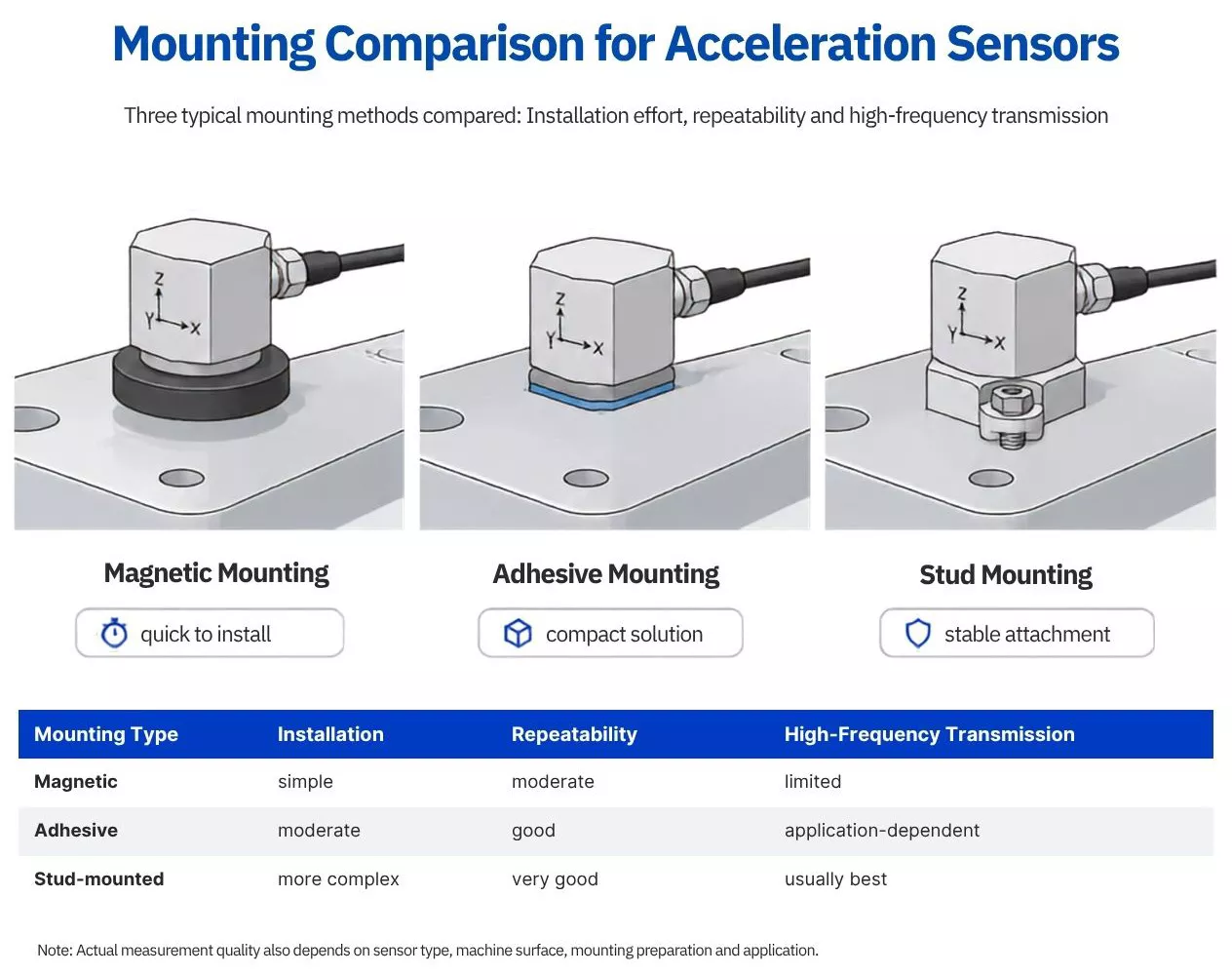
Mounting is also part of the measurement chain. Magnetic mounting can simplify installation, but it may limit the usable frequency range or introduce additional resonances. For high-quality diagnostic measurements, sensors are therefore often screw-mounted or attached to a suitably prepared mounting surface. Rigid mounting generally improves mechanical coupling, repeatability and high-frequency transmission.
When selecting a solution, the first question should therefore not be: “Which digital interface do we need?” The more important question is: Which vibration information must be captured reliably in order to perform the required diagnosis or test?
Measurement performance: Frequency range, noise and diagnostic capability
Digital MEMS sensors are often well suited for general machine monitoring, trend measurements, overall vibration values, condition indicators and simple alarm functions. For large-scale monitoring installations, their compact design and direct communication can also offer advantages.
For Wilcoxon digital accelerometers, a typical usable range extends up to approximately 5 kHz. (This specification refers to Wilcoxon solutions and should not be considered a general limit for all digital MEMS sensors.)
IEPE sensors can offer advantages when high frequencies are relevant for diagnostics. Examples include:
- Rolling bearing and lubrication diagnostics
- Gear tooth meshing and gearbox faults
- Cavitation and shock pulse events
- High-frequency resonances of fast-running components
IEPE sensors with Wilcoxon converters offer typical measurement ranges from 10 to more than 20 kHz. Depending on their design, some piezoelectric sensors can also be used beyond this range. The actual usable frequency range depends on the sensor, mounting method, cable, converter, sampling rate and filtering of the overall system.
IEPE sensors
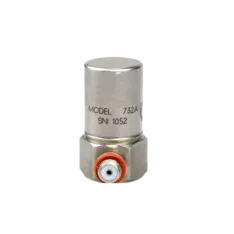
732A High Frequency Accelerometer
- Wide dynamic range
- Compact construction to fit in tight spaces
- Wide frequency rang
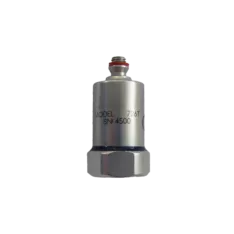
726T General Purpose Accelerometer
- For general purpose use
- High quality
- Very accurate and reliable
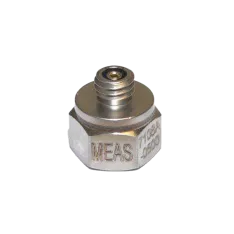
7108A General Purpose Vibration Sensor
- ±50g to ±500g Dynamic Range
- Wide bandwidth up to 10kHz
- Welded Stainless Steel
Low frequencies and small signals
For slow-running machines or very small vibration amplitudes, the sensor’s inherent noise plays a decisive role. MEMS sensors can exhibit higher noise levels at low frequencies than specialized piezoelectric sensors. As a result, weak signals can be more difficult to detect.
This applies, for example, to:
- Slow-running motors, gearboxes and fans
- Kilns and rotary drums
- Structural vibrations in machines, buildings and supporting structures
Piezoelectric IEPE sensors can be designed for low-noise measurements and certain low-frequency applications. Specialized Wilcoxon solutions offer measurement capabilities down to approximately 0.05 Hz. (However, not every IEPE sensor is suitable for measurements down to 0.05 Hz. This performance can only be achieved with specially designed models.)
For sensor selection, the specific datasheet values are therefore important:
- Lower cutoff frequency
- Spectral noise density or broadband noise
- Sensitivity and measurement range
- Temperature drift and long-term stability
Operating conditions, protection ratings and approvals
Environmental conditions can have a greater influence on the selection than the interface itself. Digital accelerometers are often a good solution for protected production areas, standard machine rooms, moderate temperatures and dry or controlled industrial environments, for example with an operating temperature of approximately −20 to +70 °C, aluminum or 303 stainless steel housings and an IP67 protection rating.
For harsh environments, Althen offers a wide range of specialized piezoelectric sensors. Typical applications include high or low temperatures, underwater installations, washdown areas, aggressive chemicals, outdoor installations, high humidity or radiation environments.

In hazardous areas, the sensor, cabling, power supply and signal processing must be suitable for the relevant zone and type of protection. Digital sensors contain more electronics within the sensor housing. This can limit certification options and product selection. IEPE systems, by contrast, make it possible to install a certified sensor in the hazardous area while positioning the converter outside that area.
This applies, among other sectors, to the oil and gas industry, chemicals and refineries, cement and mining, as well as certain areas of food and energy production.
The specific selection must always be based on the applicable approval, for example ATEX, IECEx or North American certifications.
Integration into existing systems
A digital sensor interface does not automatically mean seamless integration into higher-level IT systems. Digital sensors can be well suited when an appropriate infrastructure is already available, such as an IO-Link master, Modbus network, edge gateway or manufacturer-specific monitoring system. In these cases, commissioning can be comparatively fast.
However, the following often also need to be considered:
- Device descriptions, registers and scaling
- Communication parameters, data rates and synchronization
- Connection to databases, edge, MES or cloud systems
A direct digital connection to the sensor therefore does not necessarily mean that the data will be available in MES, ERP or cloud systems without additional configuration.
With IEPE sensors, communication is decoupled from the sensor itself. The sensor can be connected to different systems through various converters. This makes solutions such as Modbus, OPC UA, MQTT, conventional data acquisition, local diagnostics or cloud forwarding possible. This architecture may require more components, but often provides greater flexibility for system expansions or future interface changes.
Digitizing existing IEPE measurement systems with external converters
In existing installations, the measurement technology already in place is an important economic and technical factor. Sensors, mounting points, cable routes, measurement channels and historical reference data together form an established measurement infrastructure.
A complete switch to digital sensors can therefore involve much more than replacing individual components. Depending on the system, it may require:
- Replacement of existing sensors
- New or modified cabling
- New brackets and mounting work
- Installation of a digital communication infrastructure
- Recommissioning and system configuration
- Adjustment of alarm, reference and limit values
- Reconstruction or migration of historical comparison data
With the converter concept, the existing IEPE sensors remain installed on the machine. Their analog signals are transmitted through the existing cables to an external measurement module, where they are digitized and subsequently transferred to the higher-level monitoring or automation system. Depending on the configuration, the module can also perform signal conditioning, filtering, characteristic value calculation or alarm functions.
Such a concept can be particularly useful when the existing IEPE sensors are still technically suitable and the main objective is to modernize data acquisition or communication. Mounting points, cabling and sensors can then often continue to be used while digital processing is added step by step.
This not only allows part of the existing hardware to be retained. Reference values, trends and limit values built up over many years may also continue to be used. This reduces conversion effort and can lower the risk of losing comparability with previous measurements.
Costs, project effort and investment protection
Digital accelerometers can offer cost advantages, particularly for new installations. Typical benefits include:
- Less external electronics
- Simpler cabling
- Lower installation effort
- Cost-effective triaxial measurement
- Easy expansion
- Good scalability
IEPE systems often involve higher initial costs due to separate converters, shielded signal cables, additional measurement hardware and more complex installation. In existing installations, however, the cost situation can shift in favor of an external converter concept. For project managers, a total cost of ownership assessment is therefore more important than simply comparing sensor prices.
The following costs should also be taken into account:
- Engineering, installation and commissioning
- Maintenance, calibration and spare parts inventory
- Software, data integration and training
- Battery replacement for wireless systems
- Production or plant downtime during conversion
Selection in six steps
1. Define the diagnostic objective
First, determine whether the priority is trend monitoring, alarming, fault diagnosis or root-cause analysis.
2. Determine the relevant frequency range
The maximum possible frequency range is not the decisive factor. What matters is the range in which the expected fault characteristics occur.
3. Evaluate signal strength and noise requirements
For low amplitudes and slow rotational speeds, noise performance should be examined particularly carefully.
4. Define the environment and required approvals
Temperature, humidity, chemicals, radiation, protection rating and hazardous zones must be known before selecting the product.
5. Analyze the existing infrastructure
Existing sensors, cables, data acquisition systems, PLCs, networks and historical measurement series should be included in the decision.
6. Compare total costs
In addition to the sensor price, installation, engineering, operation, maintenance and future expansions should be taken into account.
Conclusion
Digital accelerometers are particularly suitable for new, scalable monitoring systems where simple integration, moderate frequency requirements and low installation effort are the main priorities. IEPE sensors with external converters offer advantages for demanding diagnostics, small signals, harsh environments and the modernization of existing measurement infrastructures.
The decisive factor is not simply where digitization takes place, but whether the entire measurement chain matches the diagnostic objective, operating environment, existing infrastructure and available budget.
This ensures that the result is not merely the selection of a sensor, but a measurement chain that delivers reliable vibration data over the long term.