
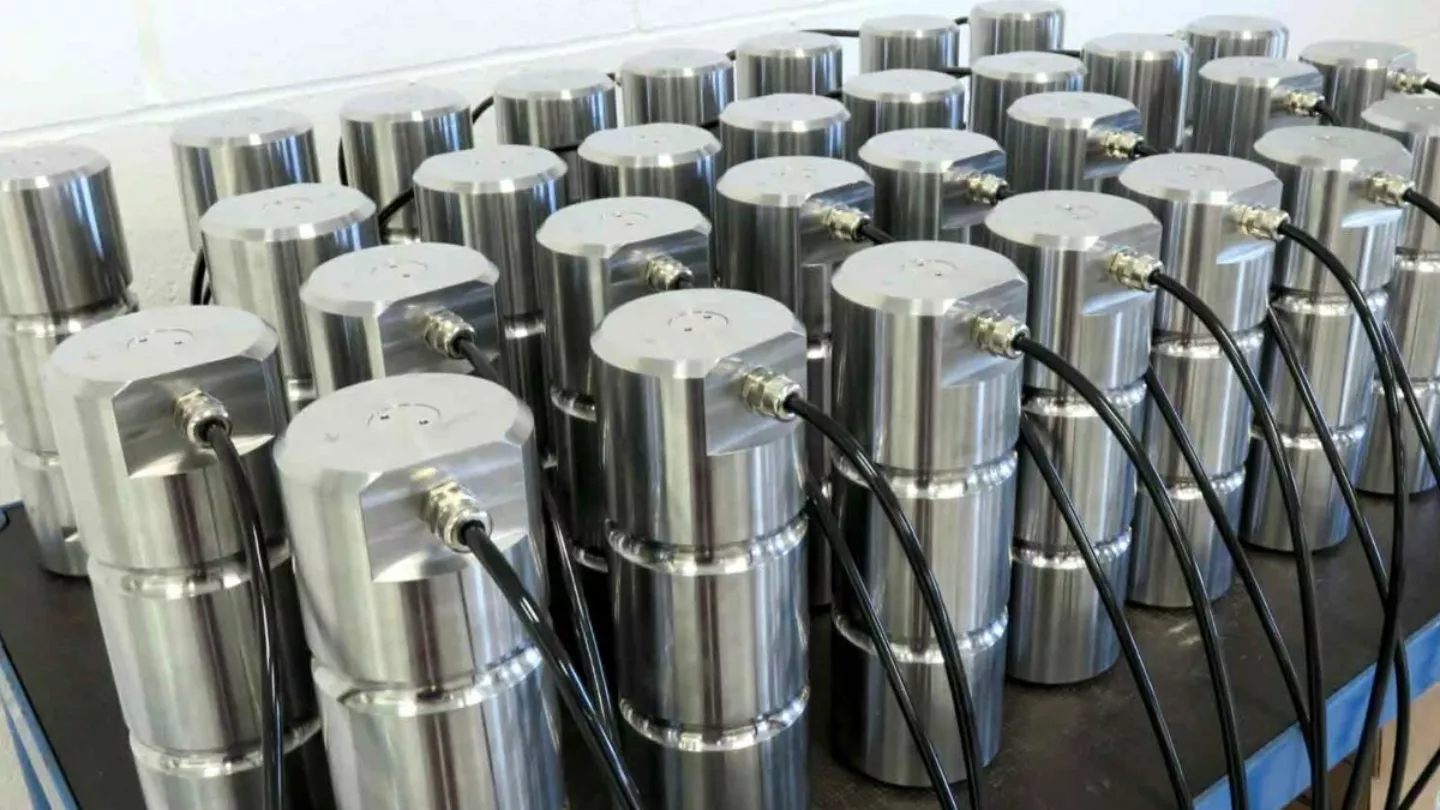

Outdoor environments push load cells to their limits. Whether you are monitoring lifting operations on a wind farm, testing mobile equipment in the field, or working on offshore platforms, your sensor must withstand water, dirt, vibration, and unpredictable weather. Choosing the right load cell for these conditions isn’t just about specs, it’s about reliability, safety, and long-term performance. In this article, we walk you through what makes a load cell suitable for outdoor applications and how to pick the best one for your use case.
What makes a load cell ‘outdoor-ready’?
Not every load cell is built for harsh conditions. When selecting a sensor for outdoor use, consider these key factors:
IP rating (Ingress Protection)
- IP66: Dust-tight and protected against strong water jets
- IP67: Protected against temporary immersion in water
- IP68/IP69K: Ideal for full immersion, wash-down, or marine environments
Material and build
- Stainless steel or anodized aluminium are preferred for corrosion resistance
- Hermetically sealed electronics protect internal components from moisture and dust
- Robust housings resist physical impact and vibration
Temperature range
- Outdoor environments often demand wide operating temperatures, from -40°C to +85°C or higher

Wireless or wired?
What works best outdoors?
Wireless load cells:
- No cables to damage, tangle or disconnect
- Quick to install and ideal for temporary or mobile setups
- Suitable for difficult-to-access locations
- Althen’s LCM wireless systems reach up to 800 m line of sight
Wired load cells:
- Ideal for fixed installations with access to power
- No need to replace or recharge batteries
- Potentially higher data throughput for continuous monitoring
Tip: Use wireless load cells for field testing, mobile equipment, or when reducing cable clutter is critical.
Key selection criteria for outdoor applications
- Load range: Match the sensor’s capacity to your expected loads
- Accuracy: Choose based on application criticality
- Form factor: Choose between load pins, shackles, links, or compression pads
- Output: Wireless telemetry, analog (mV/V, 4–20mA), digital (RS232/RS485)
- Power: Check for battery life (wireless) or power supply needs (wired)
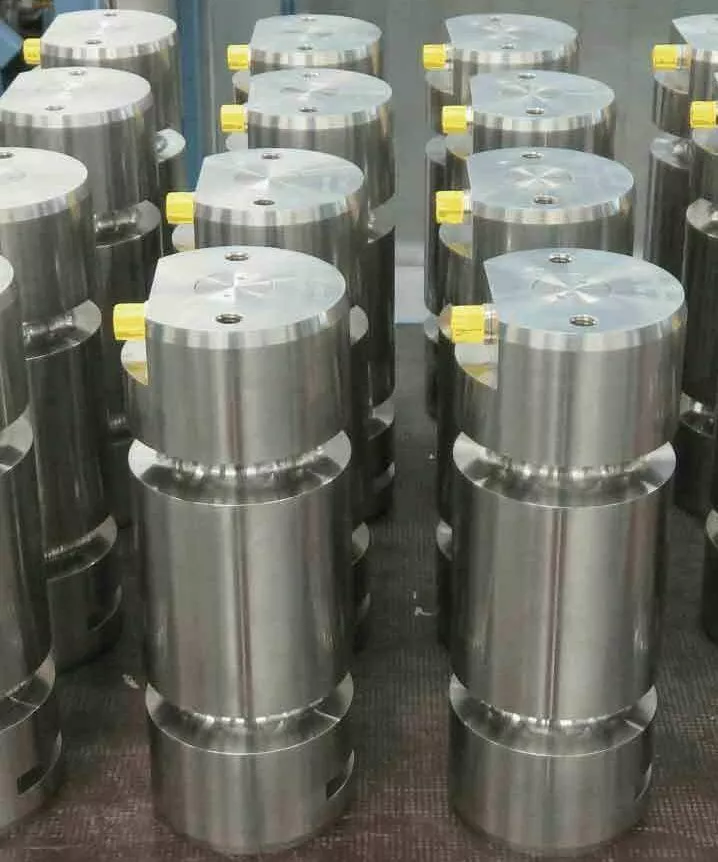
Application areas and matching load cell types
Outdoor load monitoring takes place across diverse industries—each with unique challenges and measurement demands. In construction and heavy lifting, wireless load links or shackles offer safe, cable-free installation on cranes and hoists.
For offshore environments, corrosion-resistant subsea load shackles are ideal for winches and anchor monitoring. Mobile machinery and agricultural equipment benefit from compact load pins that fit into existing mechanical structures like axle housings or drawbars.
When compressive force needs to be measured such as in structural testing or silo weighing, pancake load cells are a robust choice. Matching the load cell type to your application ensures not just performance but also long-term reliability in tough environments.
Outdoor load cell selection checklist
Want to be sure you're choosing the right sensor for your outdoor application? Our free checklist helps engineers and project managers navigate all key selection factors including load range, IP rating, output type, and installation requirements.
Maintenance and service in the field
Outdoor conditions don’t just affect sensors—they affect maintenance. Althen offers:
- On-site calibration or rental services
- Battery-powered systems with long life (up to 300 hours continuous use)
- Systems with signal diagnostics and configurable alarms
When the environment is tough, your load cell needs to be tougher. By selecting a sensor with the right protection, range, form factor, and data handling, you ensure accurate, reliable measurements in even the harshest conditions.
Need expert advice? Our engineers help you configure the ideal outdoor load cell solution, whether it’s for mobile field testing, fixed installations, or offshore rigs.

Contact me for a free consultation
Choosing your load cell for outdoor use