
Pressure sensors support ballast water treatment
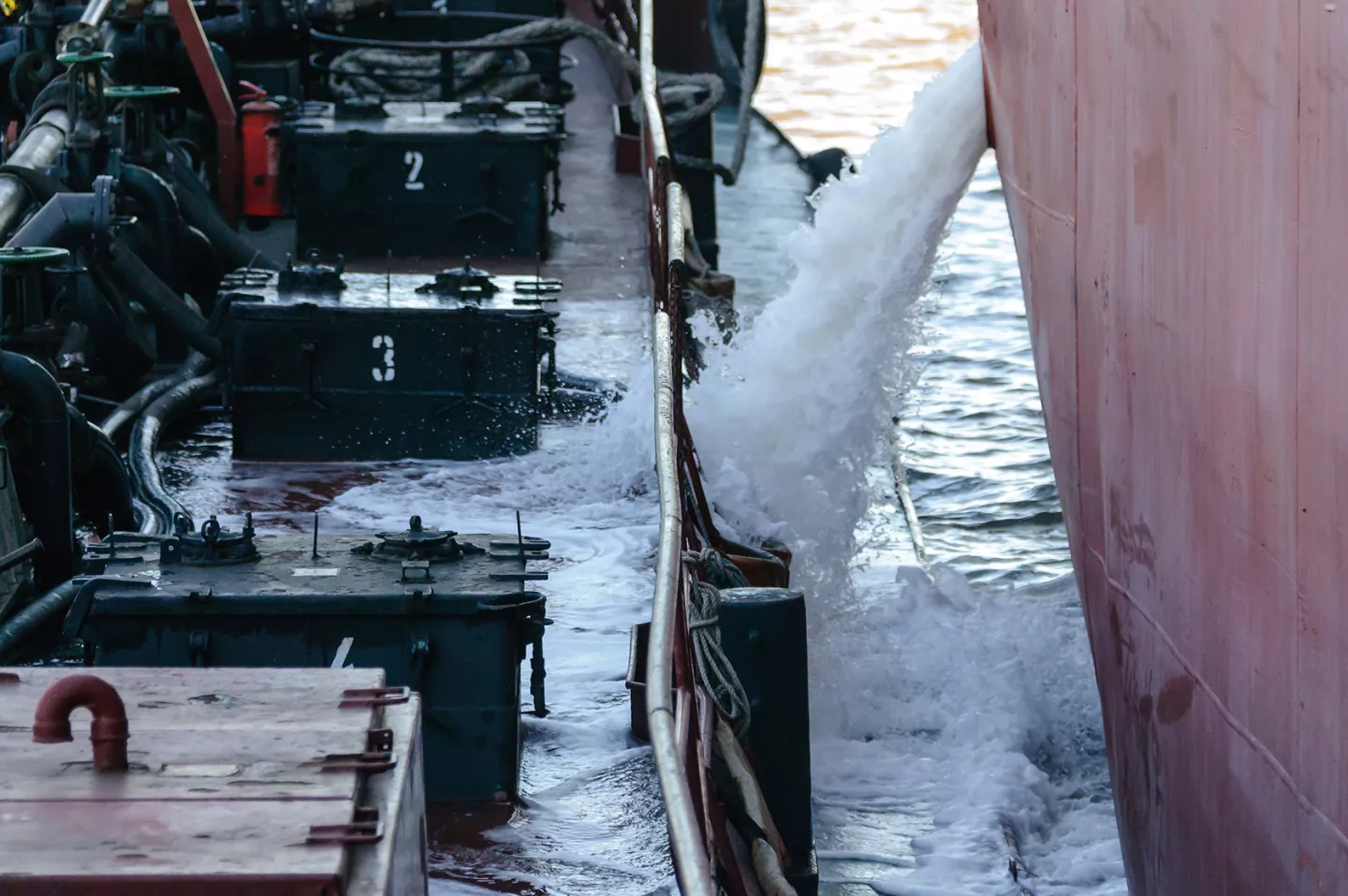
Ballast water is used to improve the draft, stability, and structural integrity of seagoing vessels when they are not fully loaded. Every year, approximately 10 billion tonnes of ballast water are transported worldwide. However, this water can contain thousands of aquatic microorganisms, plants, and animals that are carried across the globe during a vessel's voyage. When the ballast water is discharged at its destination, these organisms are released into a new environment, where they can become invasive and cause significant ecological damage. Specially designed, robust pressure sensors play a vital role in ensuring that ballast water is treated effectively before discharge.
Environmental impact and ballast water management regulations
Chinese mitten crabs accelerating erosion in the River Thames. Zebra mussels clogging the cooling water intakes of power plants in the United States. The spread of invasive species has become a global environmental challenge. In Europe alone, the annual costs associated with maintenance, declining fish stocks, blocked industrial water intakes, erosion, and other environmental impacts are estimated at €12 billion.
To address this issue, the International Maritime Organization (IMO) enforced the Ballast Water Management Convention in 2019. The convention requires ships to properly manage and treat ballast water before it is discharged. Its objective is to minimize water pollution and prevent the introduction of harmful aquatic organisms and pathogens into new ecosystems.
Ballast water treatment typically involves filtration and the electrochlorination of seawater before it is released back into the ocean. Highly specialized pressure sensors are used to monitor and control the ballast water treatment and filtration systems, ensuring reliable operation and compliance with international regulations.
Specialized pressure sensors are used for precise monitoring and control of ballast water treatment and filtration systems.

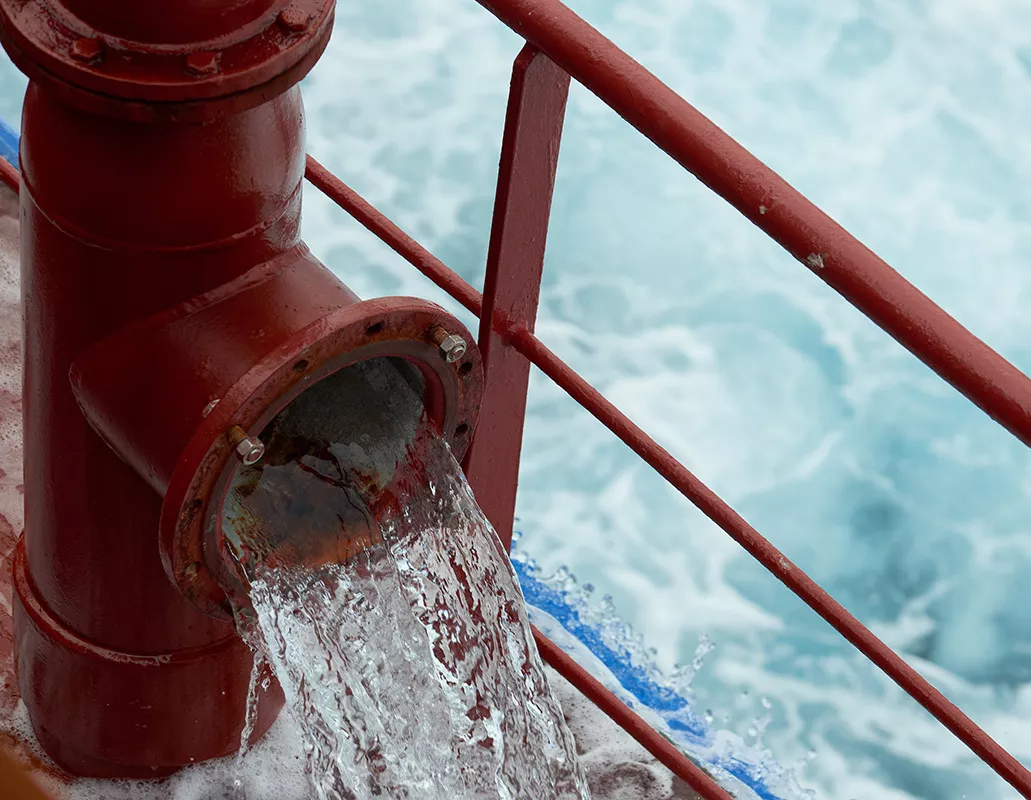
The ballast water circuit
Most ballast water treatment systems use a two-stage approach, with some form of mechanical separation as the first stage. In the second stage, this is followed by physical or chemical treatment. The two most commonly used technologies are ultraviolet (UV) systems and electrochlorination (EC) systems. UV systems use physical UV radiation as the secondary treatment method, while electrochlorination uses a chemical agent to inactivate biological organisms. Both systems usually use filtration as the first treatment step.
During the treatment process, water is forced through the filtration system under high pressure. The pressure in the system must be continuously monitored, as pressure drops or fluctuations can indicate filter damage. This is where precision pressure transmitters such as the AGS4200 are used. Thanks to its special material specification, it is particularly suitable for seawater applications. The pressure connection is made of 100% titanium, providing excellent chemical compatibility and corrosion resistance.
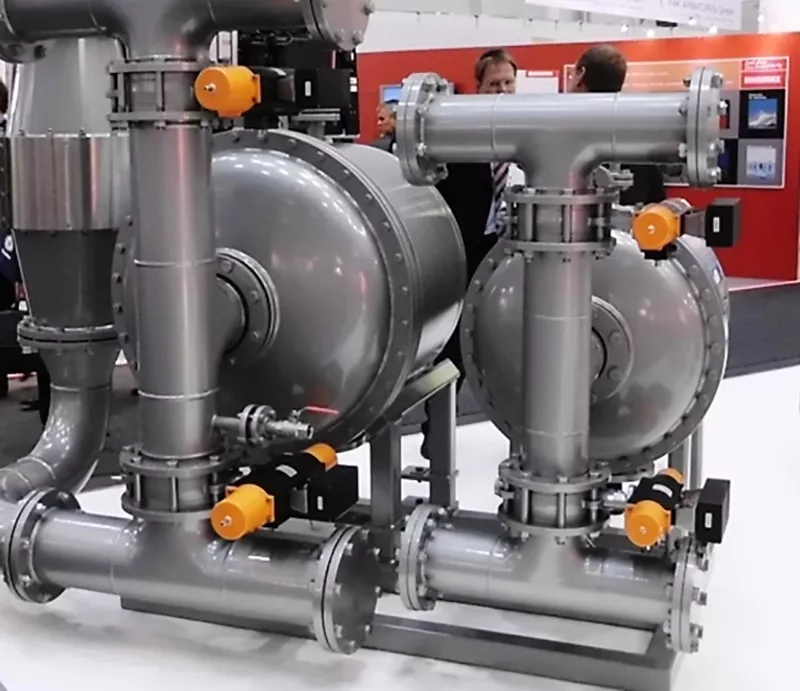
The AGS4200 pressure transmitter
The AGS4200 is also ideally suited for measuring the dosing pressure of the chemical additives used to treat water within the system. These additives include sodium hypochlorite—a solution produced from seawater, chlorinated water, oxygen, and hydrogen. The AGS4200 offers outstanding corrosion resistance, making it particularly suitable for demanding marine environments.
Thanks to its titanium and sapphire construction, the pressure transmitter can be used with media temperatures up to 125 °C (at ambient temperatures up to +85 °C). The sensor features integrated electronics and provides excellent overpressure protection. It is available in measuring ranges from 0...500 mbar up to 0...1,500 bar, with a standard accuracy of ±0.25% FS and an optional accuracy of ±0.1% FS.
Other applications for AGS4200 sensors:
- Process engineering and process measurement technology
- Test and research installations
- Test benches in the automotive and aerospace industries
- Oil and gas extraction
- Energy generation and production plants and systems