
Project overview
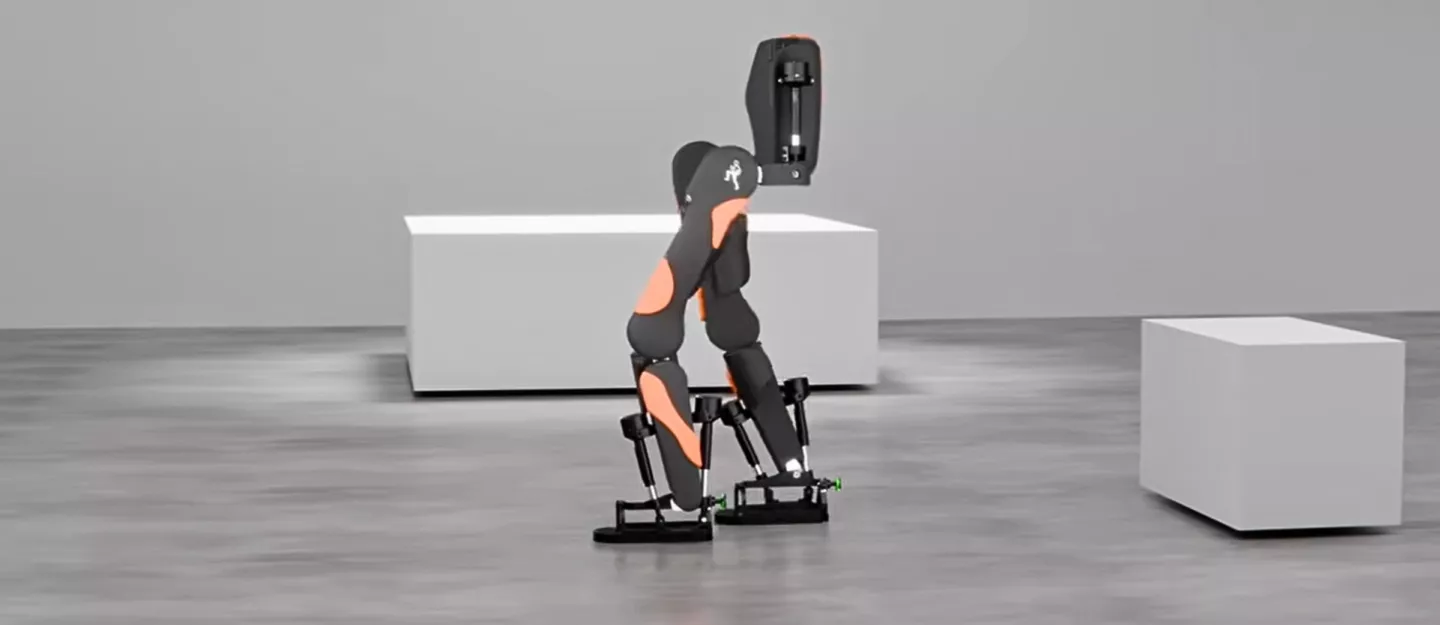
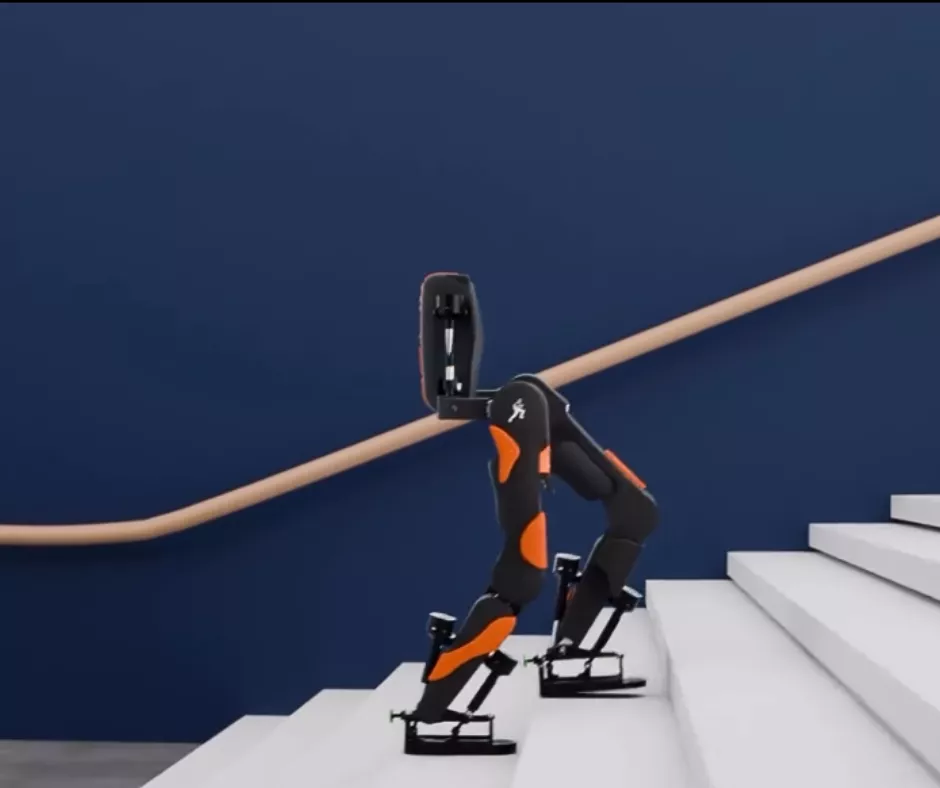
Project MARCH XI is developing an exoskeleton that enables the pilot to visit a museum by walking self-balanced with hands-free control. The goal is to allow natural interaction with both exhibits and loved ones, while requiring minimal assistance to put on and take off the exoskeleton by the end of July 2026.
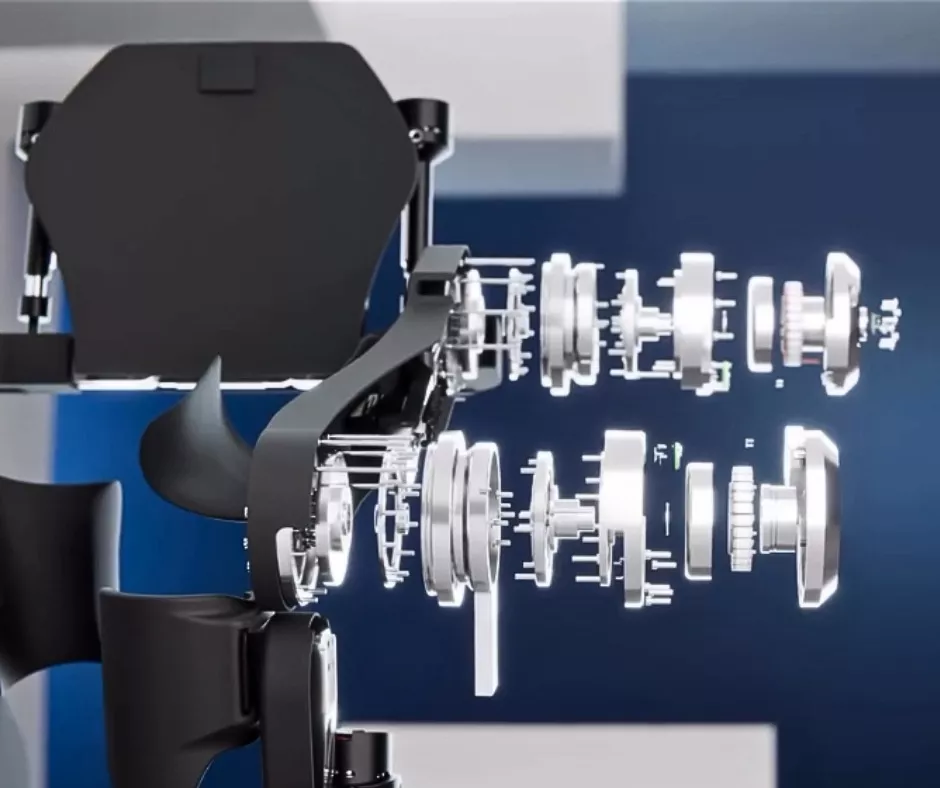
The system uses motorized joints to replicate leg movement. Because the exoskeleton directly supports the pilot, reliable feedback is essential. The force sensors supplied by Althen provide the control system with direct insight into the forces acting on the exoskeleton.
Product details
Product used
4× ALF255-Z5398-3KN digital miniature diaphragm load cells
Type
Miniature diaphragm load cell with digital RS485 output
Deliverables
Four sponsored load cells with integrated digital conversion for force measurement feedback.
Key sensor characteristics
- Stainless steel construction
- Calibrated in tension and compression
- 4-pin M8 chassis plug fitted to body
- Sealed to IP65
- 700R bridge resistance
- Integral DCell strain gauge-to-RS485 converter
- 12 VDC supply
- Scaling: 3 × 0.001 kN
- Outline drawing reference: F255-Z5398-01 Issue 2
Project implementation
The load cells are integrated into the exoskeleton’s motorized system to measure forces during operation. This gives the control system more information than motor encoder data alone. Encoders provide position and velocity feedback, but they do not directly measure the forces caused by the pilot, the environment or unexpected loads.
The digital RS485 output helps simplify integration into the control architecture. The integral DCell converter translates strain gauge measurements into digital force values, reducing the need for separate external signal conditioning.
Technical specifications
For this application, the sensors must provide accurate, repeatable and real-time force measurements within the biomechanical range of human movement. This is important during standing, walking, balancing and future self-balanced operation.
The ALF255-Z5398-3KN load cells are suitable because they combine compact dimensions, stainless steel construction, IP65 sealing and digital communication. Calibration in both tension and compression allows the system to measure forces in multiple loading directions.
Operational benefits
These force measurements give the Project MARCH XI team valuable real-time insight into how the exoskeleton responds under load. Initial tests on individual motors have shown promising results. The sensing functionality works as expected and provides reliable measurements for future control development. Full-system validation is still ongoing.
-
More precise motor control
-
Improved detection of unexpected forces
-
Safer interaction between pilot and exoskeleton

About Project MARCH XI
Project MARCH is a student team developing exoskeleton technology for people with paraplegia. The pilot is the key end user of the system, and their safety, comfort and independence are central to the design.
For Project MARCH XI, the team’s goal is to build, test and train toward a live demonstration in July 2026. The exoskeleton is designed around a museum visit scenario, where the pilot can walk self-balanced, use hands-free control and interact naturally with the surroundings.
Althen’s added value
Althen Sensors & Controls contributed with the sensors and supported the team during the integration process. The supplied sensors have performed well in testing and have met expectations so far. Althen’s sensor expertise, responsive communication and practical support helped Project MARCH XI move forward with a reliable force measurement solution for its exoskeleton development.

Developing a robotic, biomechanical or motion-control system?
Contact us to help you select, integrate and validate force sensors, torque sensors and measurement solutions for safe and precise control.
Digital miniature diaphragm load cell
Load cell used in this project
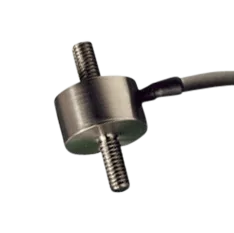
ALF255 Miniature load cell
- Compact 30 mm design
- Capacity up to 6.4 kN
- Tension and compression