Compare our sensors
Not sure which sensor is the right fit? Select up to three sensors to view technical comparison.
Accurate back to back measurement for railway wheelsets
Back to back measurement tools help maintenance teams measure the distance between railway wheels on the same axle quickly and accurately. This measurement is important for wheelset inspection, safe rail vehicle operation and reliable wheel to rail contact.
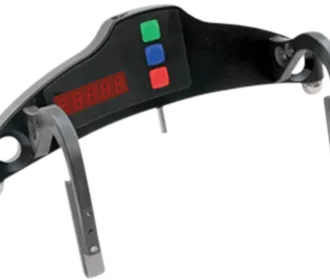
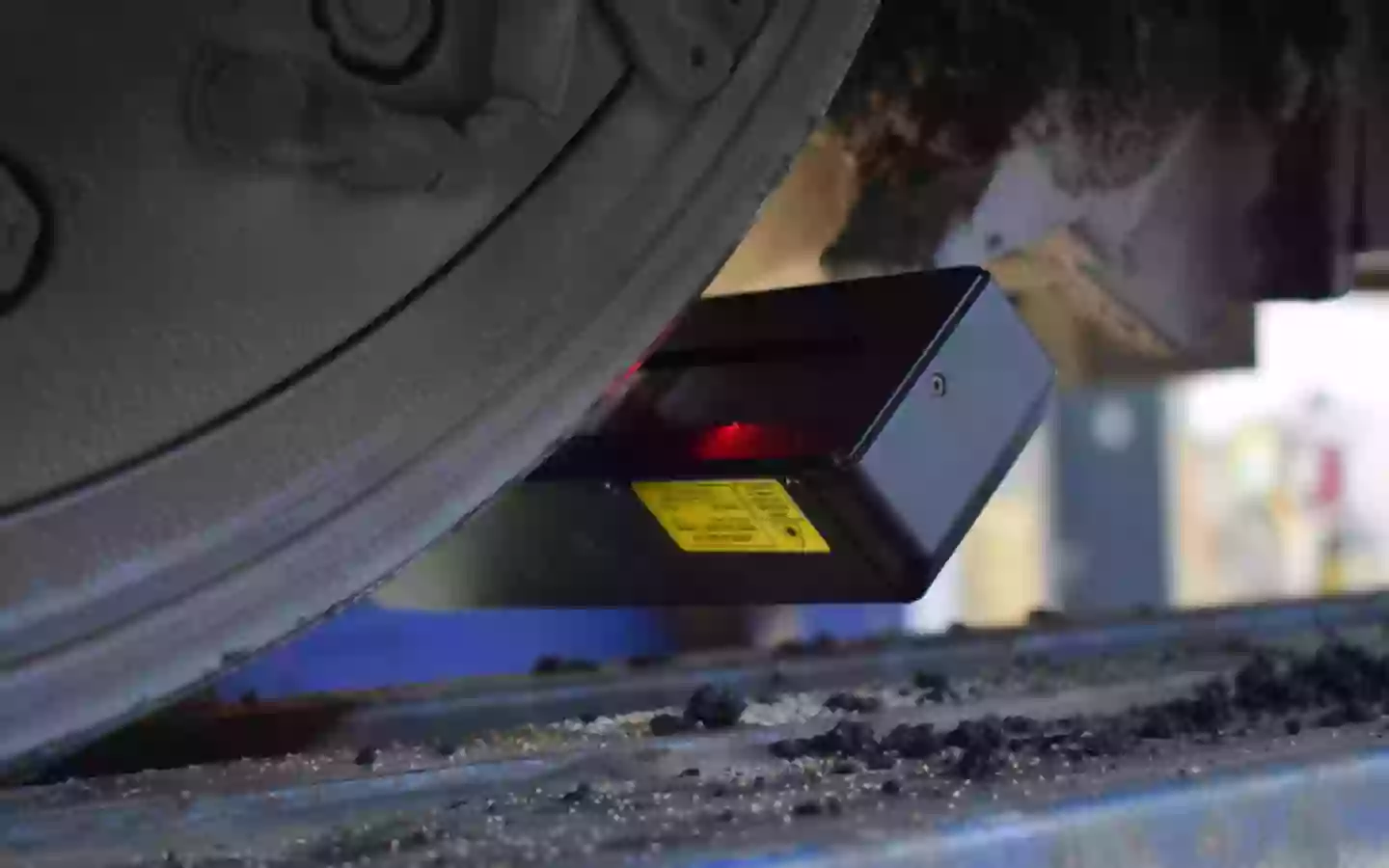
Althen offers electronic back to back gauges with contactless measurement technology, a large numeric display and a Bluetooth interface. The tool is designed for fast use in railway maintenance environments.
-
Contactless back to back measurementMeasure the back to back distance between railway wheels without direct contact.
-
Clear and fast readoutThe large numeric display makes measurement values easy to read during maintenance checks.
-
Bluetooth interfaceMeasurement data can be transferred digitally with the Bluetooth interface.
Accept the marketing cookies to view this video.
Click here to change your consent.
See the back to back gauge in action
Watch how the back to back measurement tool is used in practice. The video shows how maintenance teams can measure the distance between railway wheels quickly, accurately and without contact.
This gives a clear impression of the tool’s ease of use, large numeric display and practical value during railway wheelset inspections.
Why measure back to back distance?
Correct back to back distance is important for the safe guidance of railway wheels on the track. Deviations can affect wheel to rail contact, vehicle behaviour and long term component wear.
Accurate measurement helps maintenance teams detect deviations in time. This supports wheelset inspection, quality assurance and better planning of maintenance work.
Calibration of back to back measurement tools
To maintain reliable measurement results, back to back gauges should be calibrated regularly. Althen can calibrate these tools to help ensure measurement accuracy, consistent results and long term reliability.
Regular calibration also supports quality assurance procedures and helps reduce the risk of incorrect maintenance decisions caused by measurement deviations.

Request advice for back to back measurement
Tell us what type of rail vehicle or wheelset you work with. Our specialists will help you select the right measurement tool and advise you on calibration options.