Compare our sensors
Not sure which sensor is the right fit? Select up to three sensors to view technical comparison.
Accurate brake disc profile measurement for rail vehicles
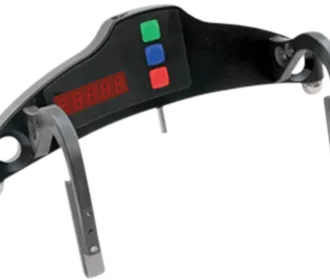
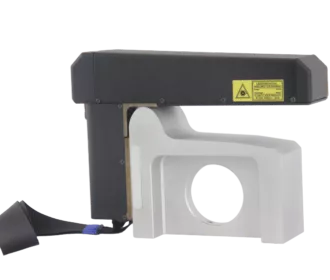
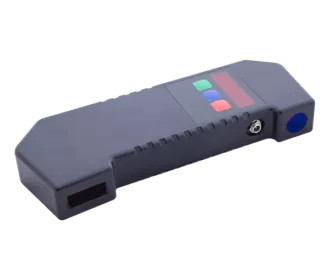
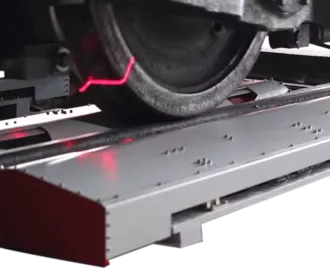
Disc brake profile measurement tools help maintenance teams inspect brake disc wear quickly and accurately. The FBD tool uses contactless laser scanning to measure wear parameters and analyse the brake disc profile.
The device is designed for railway maintenance environments and supports measurements up to 30 mm. It is supplied with a database and software package for storing, processing and analysing brake disc wear data.
-
Contactless laser scanningMeasure brake disc wear parameters without direct contact with the disc surface.
-
Accurate profile analysisAnalyse the brake disc profile and detect wear patterns that may affect braking performance.
-
Integrated data storageStore and process measurement data with the included database and software package. The device offers memory for up to 100,000 measurements.
Why measure brake disc profile?
Brake discs are subject to wear during operation. Changes in the disc profile can affect braking performance, maintenance intervals and safe railway operation. Accurate brake disc profile measurement helps maintenance teams detect wear in time. It supports better planning of brake disc maintenance, replacement and quality assurance.
Calibration of disc brake profile measurement tools
To maintain reliable measurement results, disc brake profile tools should be calibrated regularly. Althen can calibrate FBD measurement tools to help ensure measurement accuracy, consistent results and long term reliability.
Regular calibration also supports quality assurance procedures and helps reduce the risk of incorrect maintenance decisions caused by measurement deviations.

Need help choosing a disc brake profile measurement tool?
Tell us what type of rail vehicle or brake disc you work with. Our specialists will help you select the right measurement tool and advise you on calibration options.