
Compare our sensors
Not sure which sensor is the right fit? Select up to three sensors to view technical comparison.
Hydrogen is the lightest and most abundant element in the universe, symbolized by H and consisting of just one proton and one electron. Its unique properties make it a versatile element, essential in various industrial applications. As an energy carrier, hydrogen has garnered significant attention due to its potential in providing clean and sustainable energy solutions. It is utilized in fuel cells, chemical production, refining processes, and as a clean fuel for transportation. However, hydrogen’s small molecular size and high diffusivity pose unique challenges in handling and measuring it safely and accurately. This is where specialized hydrogen pressure sensors come into play.
Overview of Hydrogen pressure sensors
Hydrogen pressure sensors are advanced devices designed to accurately measure the pressure of hydrogen gas in various applications. These sensors are essential for ensuring the safe and efficient use of hydrogen, given its high flammability and potential for leaks.
Applications of Hydrogen pressure sensors
- Hydrogen production and storage: Monitoring pressure in hydrogen production facilities and storage tanks to ensure safe and efficient operations.
- Fuel cell technology: Ensuring optimal pressure in hydrogen fuel cells, which is critical for their performance and longevity.
- Automotive industry: Used in hydrogen-powered vehicles to monitor the pressure of hydrogen fuel systems.
- Research and development: Facilitating research in hydrogen technologies by providing accurate pressure data.
We offer state-of-the-art hydrogen pressure sensors. These pressure transducers and transmitters are designed to meet the rigorous demands of hydrogen-related applications. With their high accuracy, durability, and compliance with stringent safety standards, these sensors provide reliable performance across various industries.
Hydrogen pressure sensors in action
Discover our hydrogen pressure sensor projects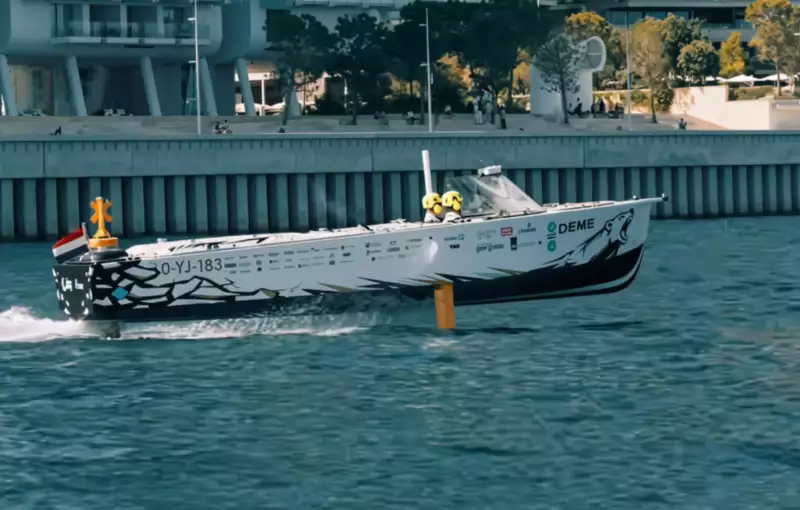

Can we help you with your pressure sensor project?
Please feel free to contact us for questions and more information.
Frequently asked questions about Hydrogen pressure sensors
Answers to the most important technical questions
Are hydrogen pressure sensors available with ATEX certification?
Yes. Selected hydrogen pressure sensors are available with ATEX and IECEx options. These include, for example, the AHI2000, AHI2000H, AHP1000H, AGD4200H-USB and AGS4200H series. Depending on the model, versions are available for explosion protection in areas with flammable gases, dusts and for mining applications.
Not every hydrogen pressure sensor is automatically ATEX-certified. The ATEX version is often optional and must be selected according to the application, zone, gas group, temperature class, output signal and electrical connection type. For hydrogen applications, material compatibility is also important because hydrogen is highly diffusive and places specific requirements on leak-tightness and wetted materials.
Althen can help select a hydrogen-compatible pressure sensor with the appropriate ATEX or IECEx approval for the application
What measuring ranges do hydrogen pressure sensors cover?
Hydrogen pressure sensors from Althen cover very different measuring ranges depending on the model, from low-pressure ranges starting at 0–0.5 bar up to high-pressure applications up to 0–5,000 bar. This makes them suitable for test benches, fuel cell systems and hydrogen storage systems, as well as applications with very high pressures.
Examples from the portfolio include the AGS4200H with measuring ranges from 0–0.5 bar to 0–1,500 bar, the AHI2000H with ranges up to 0–1,500 bar, and the AHP1000H for high-pressure measurements from 0–600 bar to 0–5,000 bar. The AST2000 is also available as a hydrogen pressure sensor for ranges from 0–2 bar to 0–700 bar.
The suitable measuring range depends on the maximum operating pressure, possible pressure peaks, hydrogen compatibility of the wetted materials, the output signal and the connection requirements.